
Snap-In Towing Bar - for Cars up to 2,500 kg
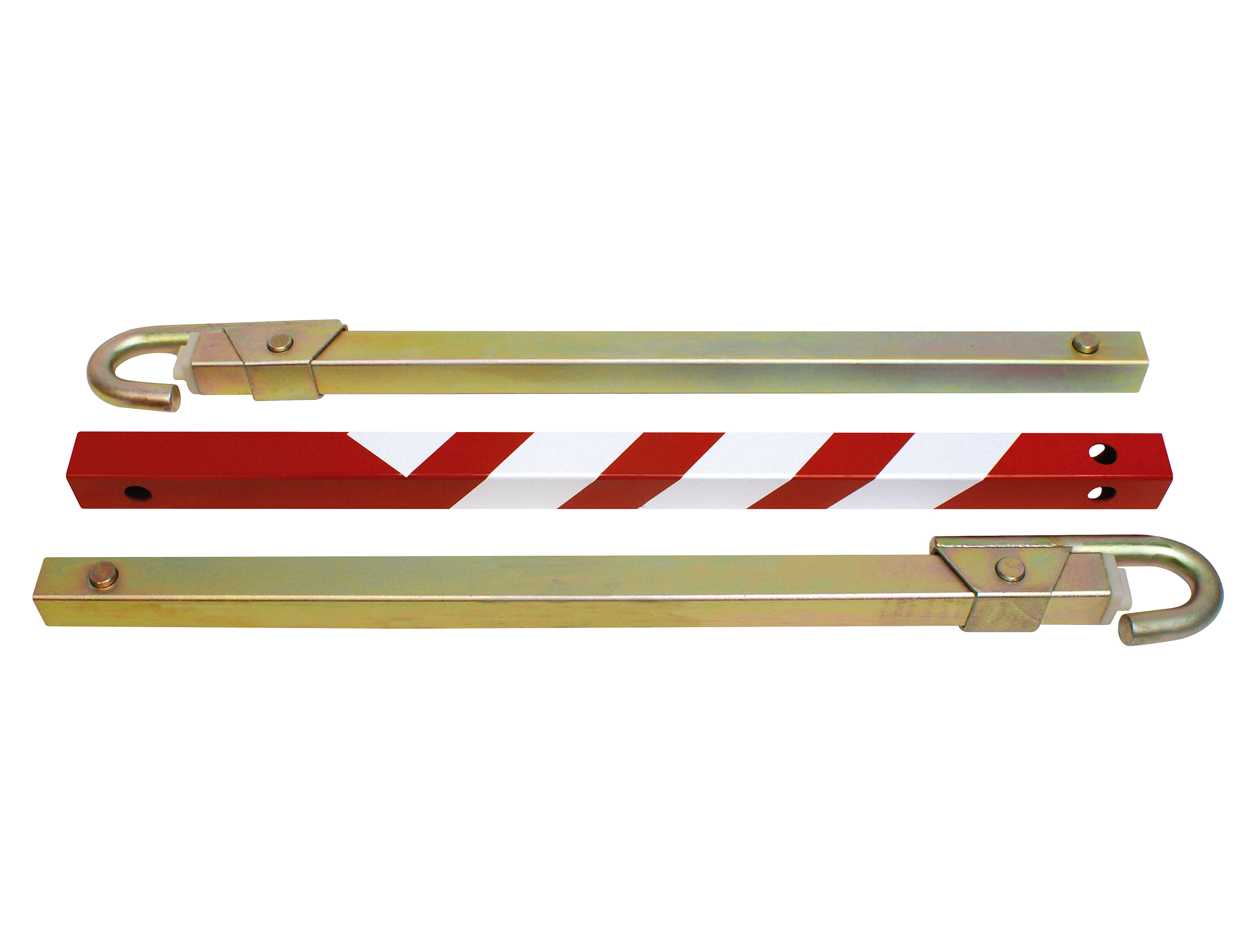


Product information "Snap-In Towing Bar - for Cars up to 2,500 kg"
Snap-In Towing Bar - for Cars up to 2,500 kg
- TÜV and GS certified
- High-quality steel with white and red safety paint finish
- For cars up to 2,500 kg
- With automatic snap-in fasteners
- No need for precise maneuvering when attaching
Technical Details:
• Fasteners: 2 snap-in fasteners
• Length: approx. 1.8 m
• Material: High-quality steel with signal-colored finish
• Accessories: Gloves
Usage Instructions
The tow bars in this product group are intended exclusively for towing disabled motor vehicles equipped with suitable tow hooks. The tow hooks on the towing vehicle and the towed vehicle must be at approximately the same height to ensure a secure connection. This device is not suitable for commercial use or for use by persons without the appropriate expertise. For proper use, all instructions in this manual must be followed, especially the safety instructions. Any other use, such as towing vehicles without suitable equipment, can lead to risks and hazards and should be strictly avoided, as it could result in property damage or personal injury.
Hazard and Safety Instructions
· Keep children away: Keep children away to prevent injury.
· Maximum weight: The maximum allowable weight of the vehicle being towed must not be exceeded. Exceeding this weight can overload the towing system and lead to accidents.
· Suitable towing eye: The tow bar may only be attached to standard tow hooks that are in perfect condition. Tow bars are only suitable for tow hooks whose opening faces downward.
· Secure attachment: Ensure that the tow hook is inserted into the tow hook from above and securely encloses it. Ensure that the connection between the tow hook and the tow eye is tight and free of play.
· Adjust driving behavior: The towing vehicle must not be lighter than the vehicle being towed, as this could otherwise impair handling. For safety reasons, the maximum speed while towing must not exceed 50 km/h. Drive carefully and avoid sudden braking, acceleration, or sharp steering to ensure the stability of the towing connection.
· Precautions before towing: Secure both vehicles against rolling away before attaching the tow bar.
· Technical Condition: Towing hooks and tow bars may only be used if they are in perfect technical condition. A damaged tow bar must never be used. Check the locking mechanism after starting the vehicle and ensure that all components are properly connected.
Maintenance and Care
The tow bar should be inspected for visible damage after each use. Clean the tow bar with a soft, slightly damp cloth and a mild detergent. Do not use harsh chemicals, and make sure no liquids penetrate the mechanism. Lubricate the moving parts regularly with a light oil to maintain functionality, and ensure that all components are properly seated. Store the tow bar in a dry place to prevent corrosion.
- TÜV and GS certified
- High-quality steel with white and red safety paint finish
- For cars up to 2,500 kg
- With automatic snap-in fasteners
- No need for precise maneuvering when attaching
Technical Details:
• Fasteners: 2 snap-in fasteners
• Length: approx. 1.8 m
• Material: High-quality steel with signal-colored finish
• Accessories: Gloves
Usage Instructions
The tow bars in this product group are intended exclusively for towing disabled motor vehicles equipped with suitable tow hooks. The tow hooks on the towing vehicle and the towed vehicle must be at approximately the same height to ensure a secure connection. This device is not suitable for commercial use or for use by persons without the appropriate expertise. For proper use, all instructions in this manual must be followed, especially the safety instructions. Any other use, such as towing vehicles without suitable equipment, can lead to risks and hazards and should be strictly avoided, as it could result in property damage or personal injury.
Hazard and Safety Instructions
· Keep children away: Keep children away to prevent injury.
· Maximum weight: The maximum allowable weight of the vehicle being towed must not be exceeded. Exceeding this weight can overload the towing system and lead to accidents.
· Suitable towing eye: The tow bar may only be attached to standard tow hooks that are in perfect condition. Tow bars are only suitable for tow hooks whose opening faces downward.
· Secure attachment: Ensure that the tow hook is inserted into the tow hook from above and securely encloses it. Ensure that the connection between the tow hook and the tow eye is tight and free of play.
· Adjust driving behavior: The towing vehicle must not be lighter than the vehicle being towed, as this could otherwise impair handling. For safety reasons, the maximum speed while towing must not exceed 50 km/h. Drive carefully and avoid sudden braking, acceleration, or sharp steering to ensure the stability of the towing connection.
· Precautions before towing: Secure both vehicles against rolling away before attaching the tow bar.
· Technical Condition: Towing hooks and tow bars may only be used if they are in perfect technical condition. A damaged tow bar must never be used. Check the locking mechanism after starting the vehicle and ensure that all components are properly connected.
Maintenance and Care
The tow bar should be inspected for visible damage after each use. Clean the tow bar with a soft, slightly damp cloth and a mild detergent. Do not use harsh chemicals, and make sure no liquids penetrate the mechanism. Lubricate the moving parts regularly with a light oil to maintain functionality, and ensure that all components are properly seated. Store the tow bar in a dry place to prevent corrosion.
Login
No reviews found. Share your insights with others.